Running a business is not easy. You are always jumping between different tools one for accounts, one for sales, another for stock. It gets messy fast. That is exactly why so many businesses today are moving to Odoo ERP. It brings everything under one roof. And the best part? You only use what you need. In this blog, I am going to walk you through the top 10 Odoo ERP modules that can actually make a difference for a growing business.
Odoo ERP an all-in-one platform trusted by over 12 million users worldwide
What is Odoo ERP and Why Does It Matter?
Odoo is an open-source ERP platform. It has been around since 2005 and has grown into one of the most used business software solutions in the world. The reason companies love it? You do not need to buy five different tools. Odoo has modules for everything from your first sales quote all the way to your final invoice.
Each module connects with the others. So when a sale is made, the stock updates automatically. When an invoice is generated, the accounts are updated too. No double entry. No data loss. Just clean, connected business operations.
Quick fact: Odoo is used by more than 12 million users across 100+ countries. It supports businesses of all sizes from solo freelancers to enterprise companies with thousands of employees.
The Top 10 Odoo ERP Modules You Should Know About
1 CRM — Customer Relationship Management
Every business needs to track its leads and deals. The Odoo CRM module lets you do that without any confusion. You can see every lead in a visual pipeline, assign it to a salesperson, and follow up with ease. It also sends automatic reminders so nothing falls through the cracks. If you are tired of losing deals because someone forgot to follow up — this module is for you.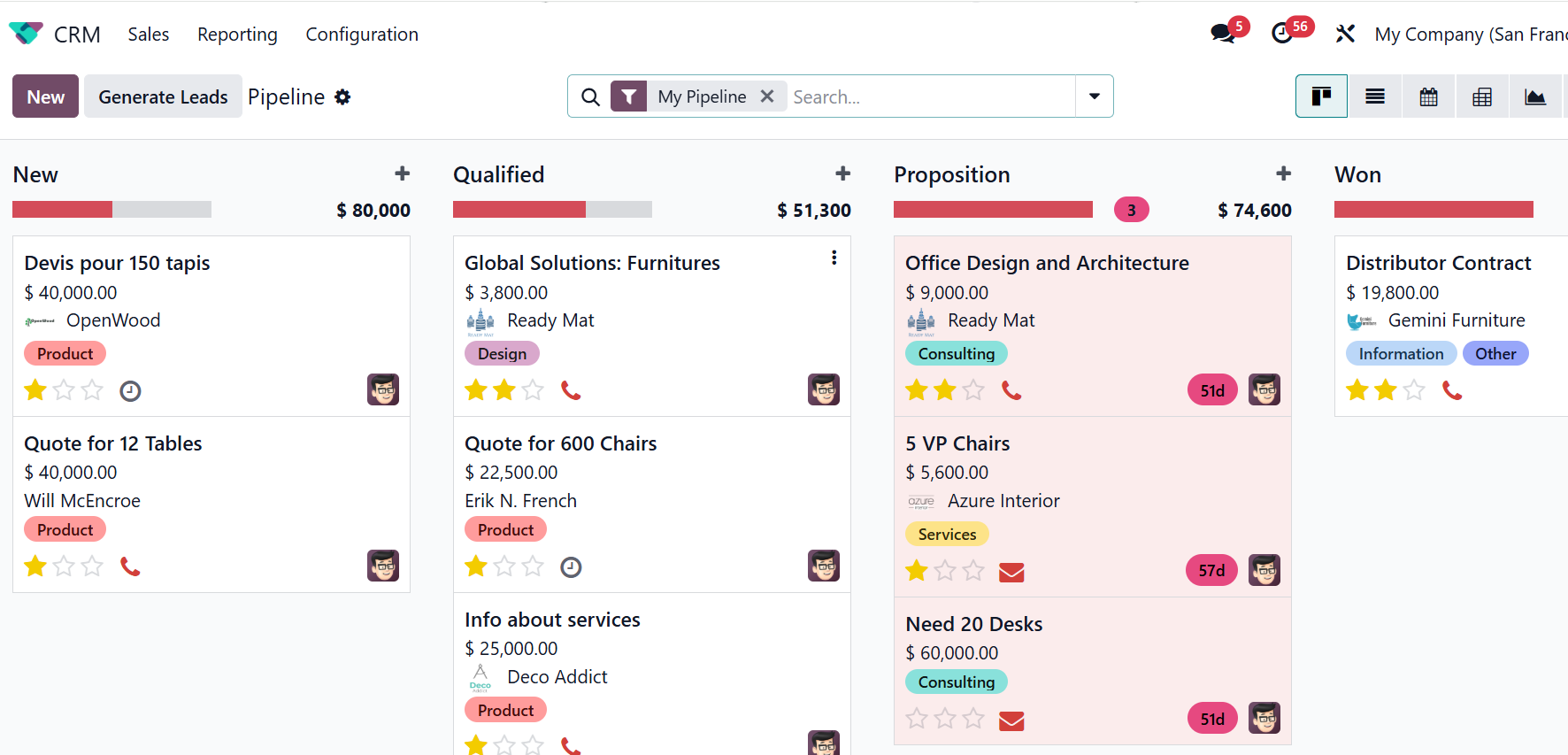
2 Sales — Quotes to Orders Made Simple
The Sales module works hand in hand with CRM. You can create a professional quotation in minutes, send it to the client, and convert it to a sales order with one click. It tracks every deal, shows your team's performance, and even allows online payment links. For any business doing regular sales, this is a must-have.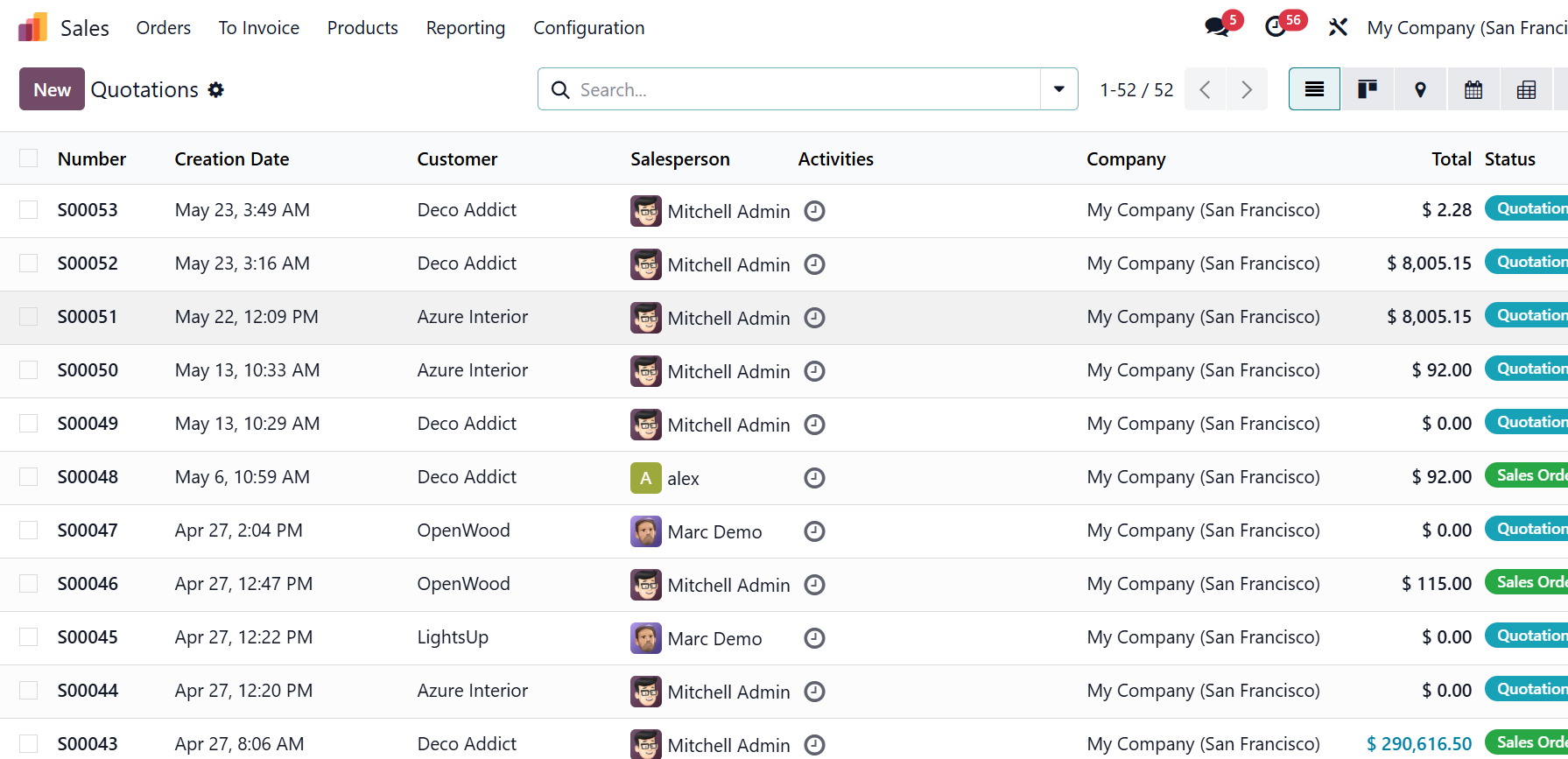
3 Accounting — No More Excel Nightmares
This is probably the most popular Odoo module. The Accounting module handles invoices, bills, bank reconciliation, tax reports, and financial statements. It connects directly with your sales and purchases. So when an order is confirmed, an invoice is already half done. Many small business owners say this module alone saved them hours every week.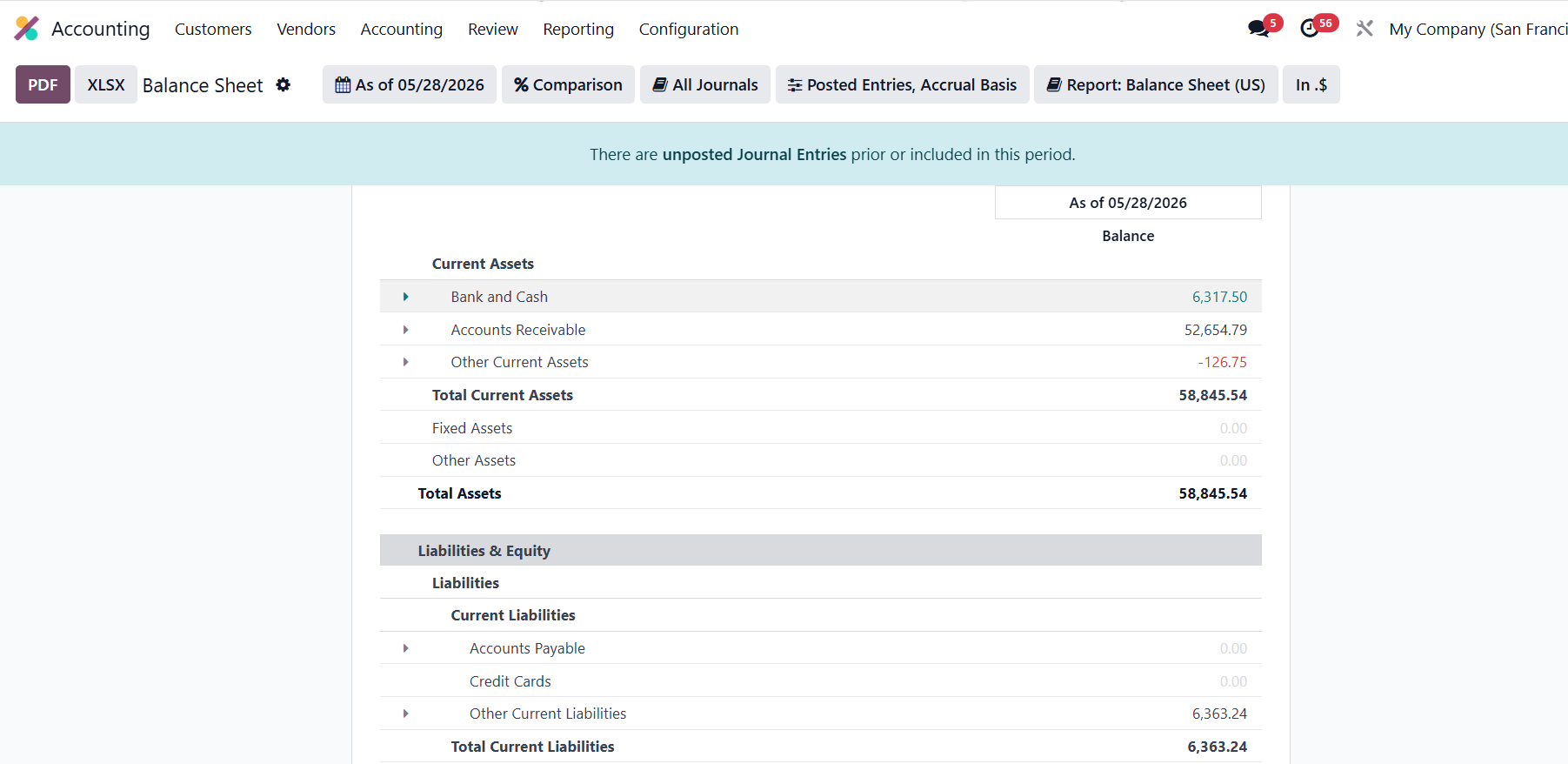
Odoo's accounting and inventory modules — real-time data, no manual entry needed
4 Inventory — Know What You Have, Always
If you sell physical products, you need the Inventory module. It tracks stock in real time, manages warehouses, and tells you when to reorder. You can also set up multiple storage locations and move stock between them. No more guessing how much stock you have left. No more overselling something that is out of stock.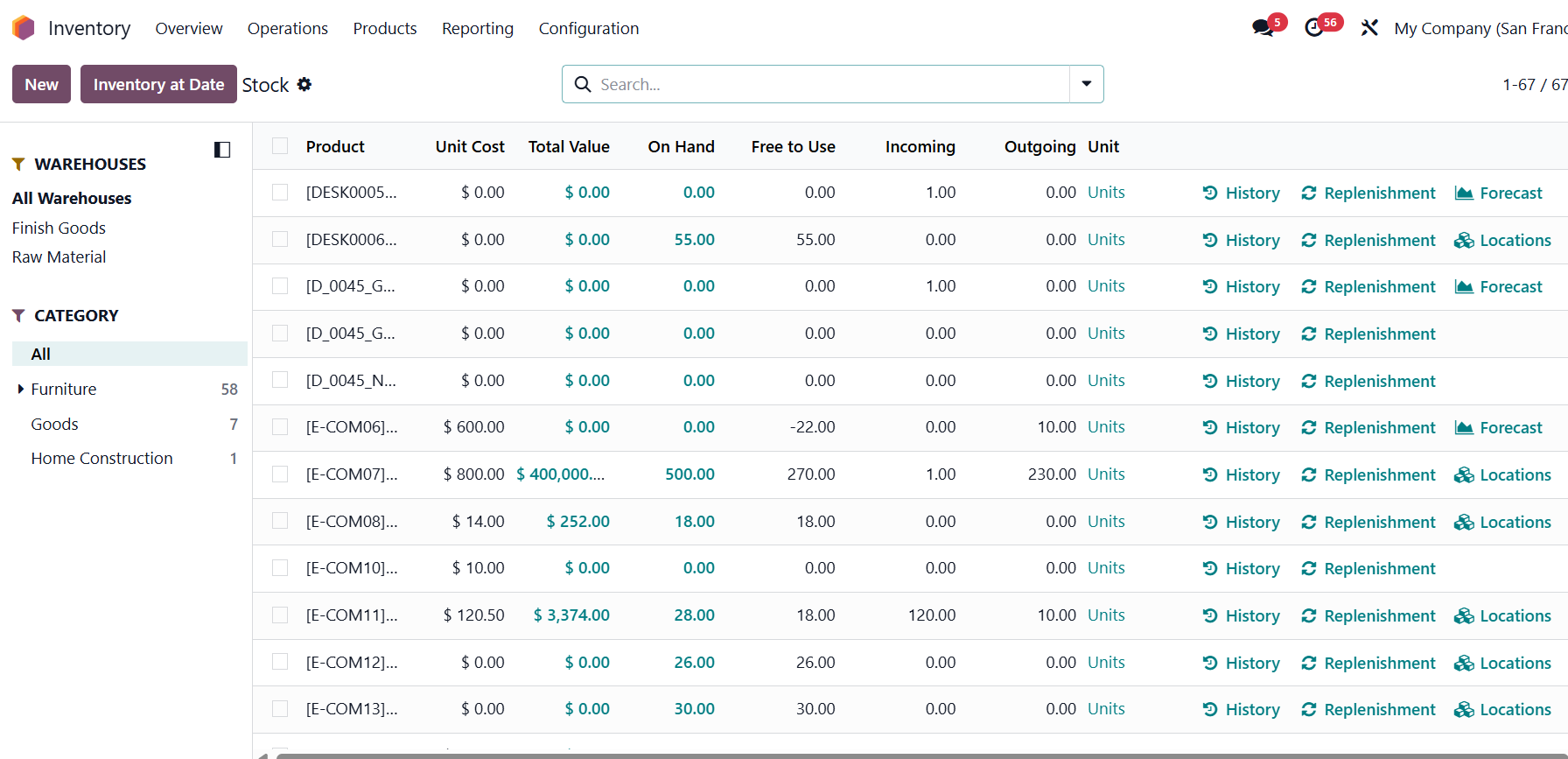
5 Purchase — Buying Made Smarter
The Purchase module lets you create purchase orders, compare vendors, and track deliveries. When stock runs low, it can even suggest a purchase order automatically. Everything connects to accounting, so your costs are tracked without any extra steps. It is simple but incredibly powerful for any business that buys goods regularly.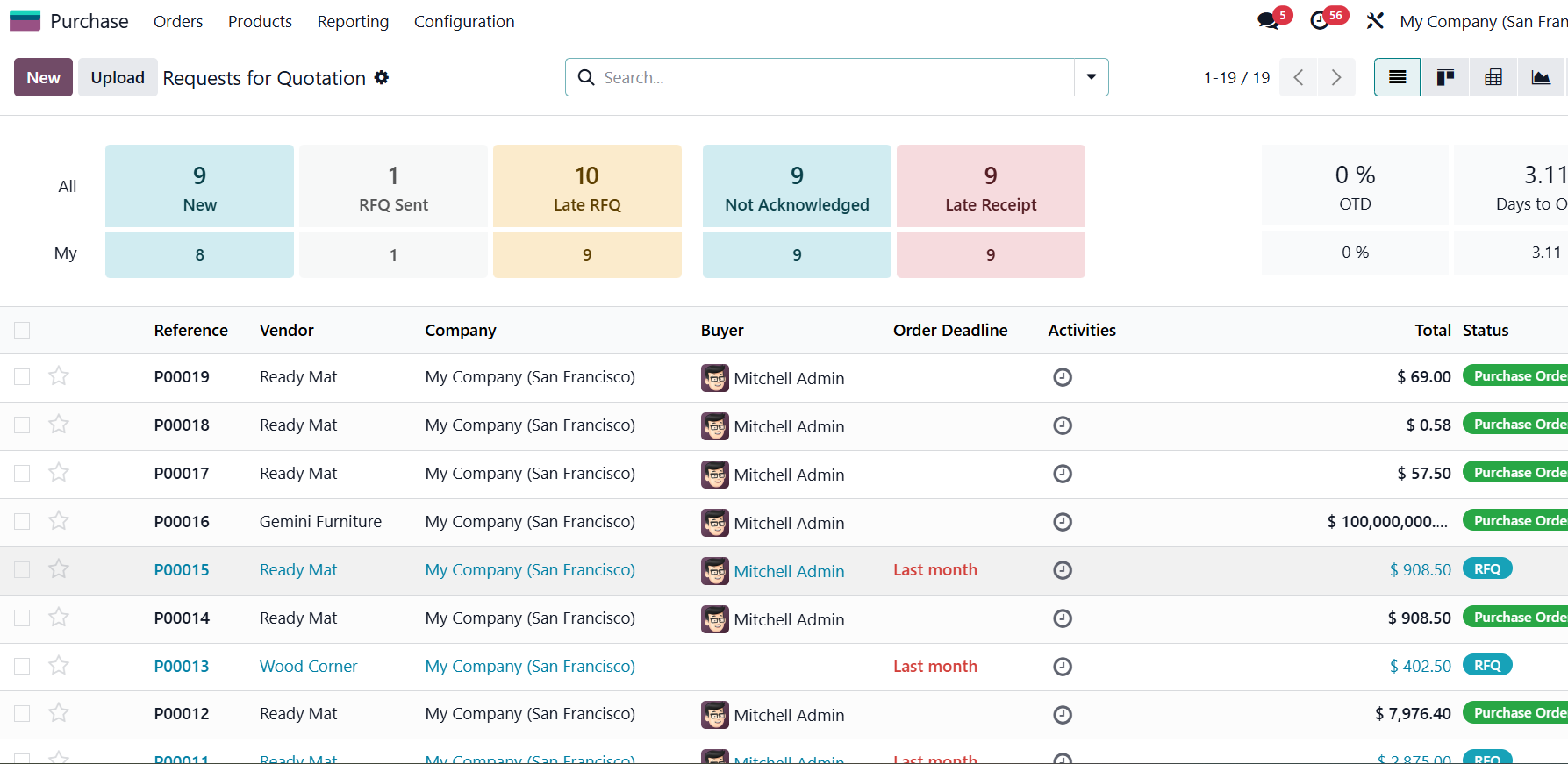
6 Manufacturing — Built for Makers
If you make products, this module was built for you. The Manufacturing module manages Bills of Materials (BoM), work orders, and production planning. You can track raw material usage, plan capacity, and see exactly where a production order stands. It is a complete production management tool inside the same ERP you already use.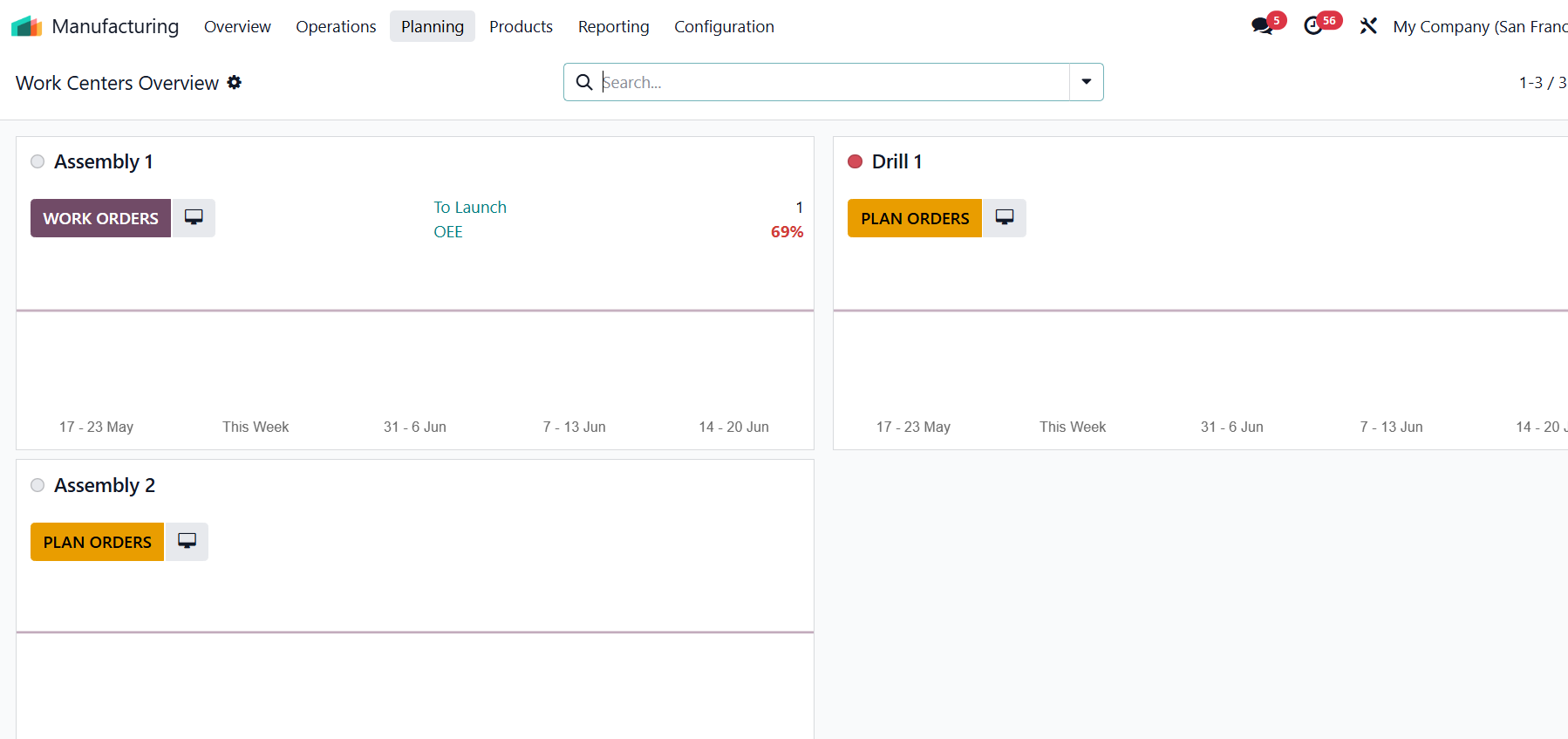
7 Human Resources (HR) — Your People, Organized
Managing employees gets complicated as your team grows. The HR module handles everything from employee records to leave management, payroll, and appraisals. Your team can apply for leave online, managers can approve it in one click, and it all flows into payroll. No more scattered spreadsheets. Everyone's data is in one place.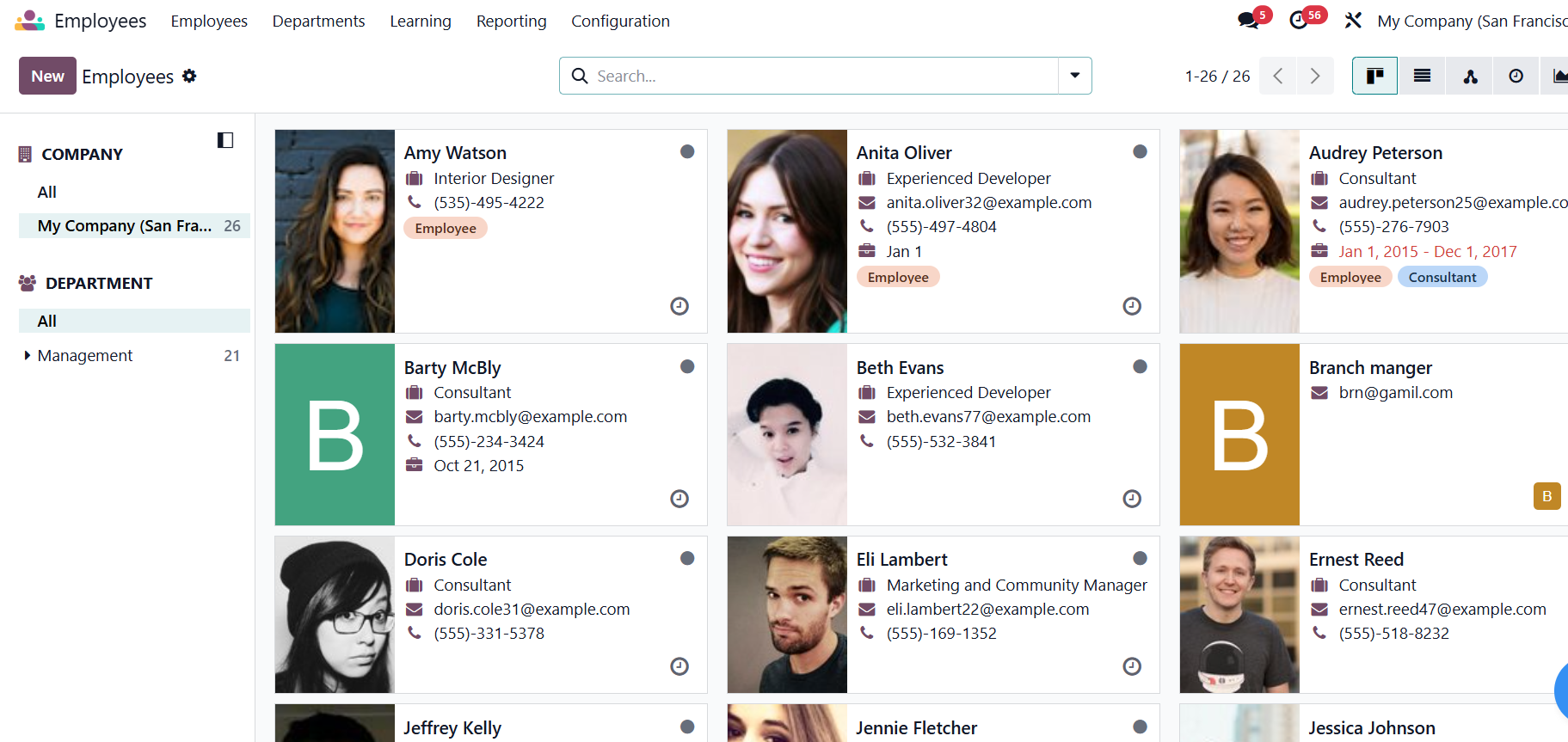
8 Project Management — Get Things Done
The Project module in Odoo is clean and easy to use. You can create tasks, assign them to team members, set deadlines, and track progress using a Kanban board or Gantt chart. It also links tasks to sales orders and timesheets, so you can track exactly how much time and money is going into each project. Great for agencies, consultants, and service businesses.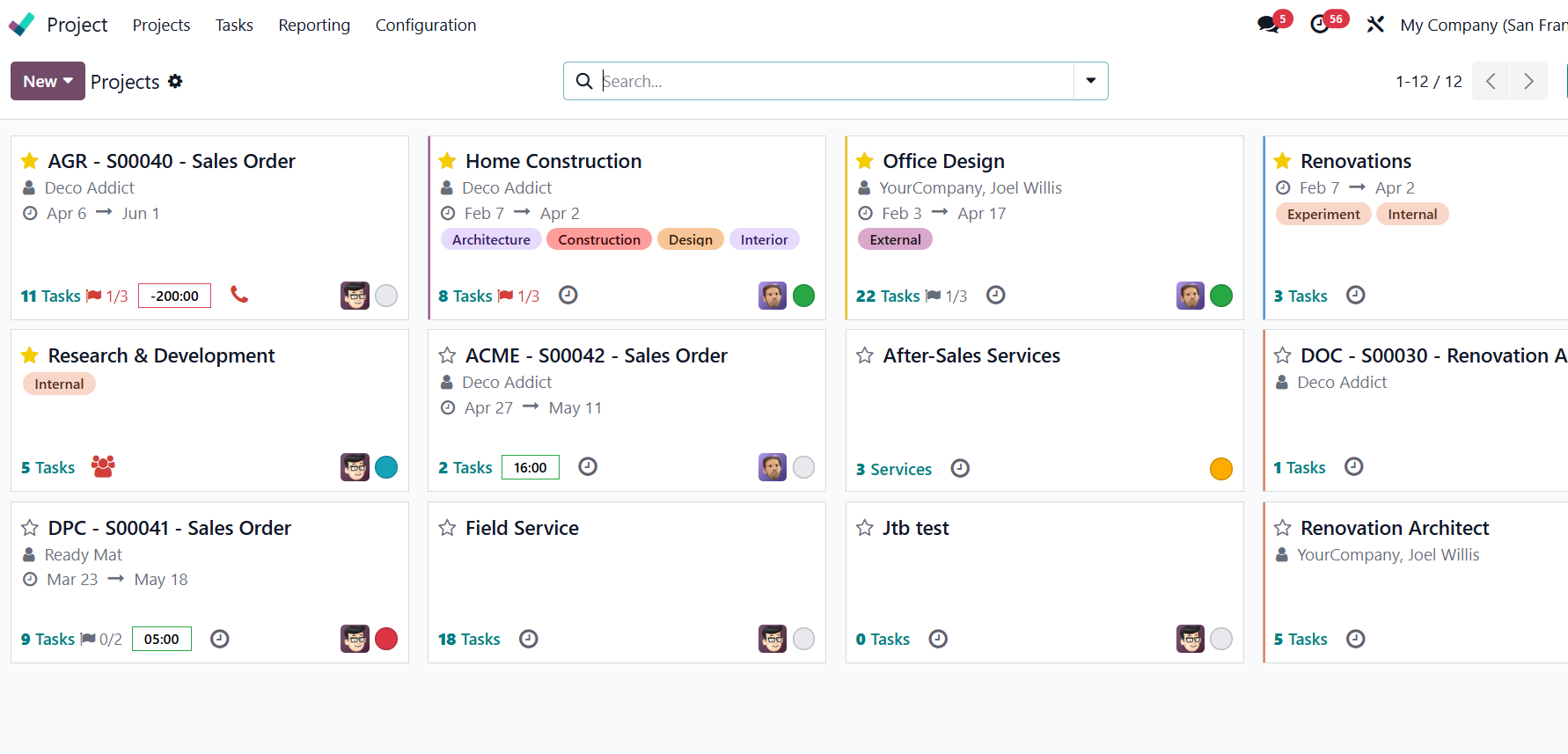
9 eCommerce — Sell Online Without a Third-Party Store
Odoo has its own eCommerce module that lets you build a fully functional online store. It connects directly to your inventory and accounting. When someone buys from your website, the stock goes down and the invoice is created automatically. You do not need Shopify or WooCommerce for this. Everything stays inside Odoo.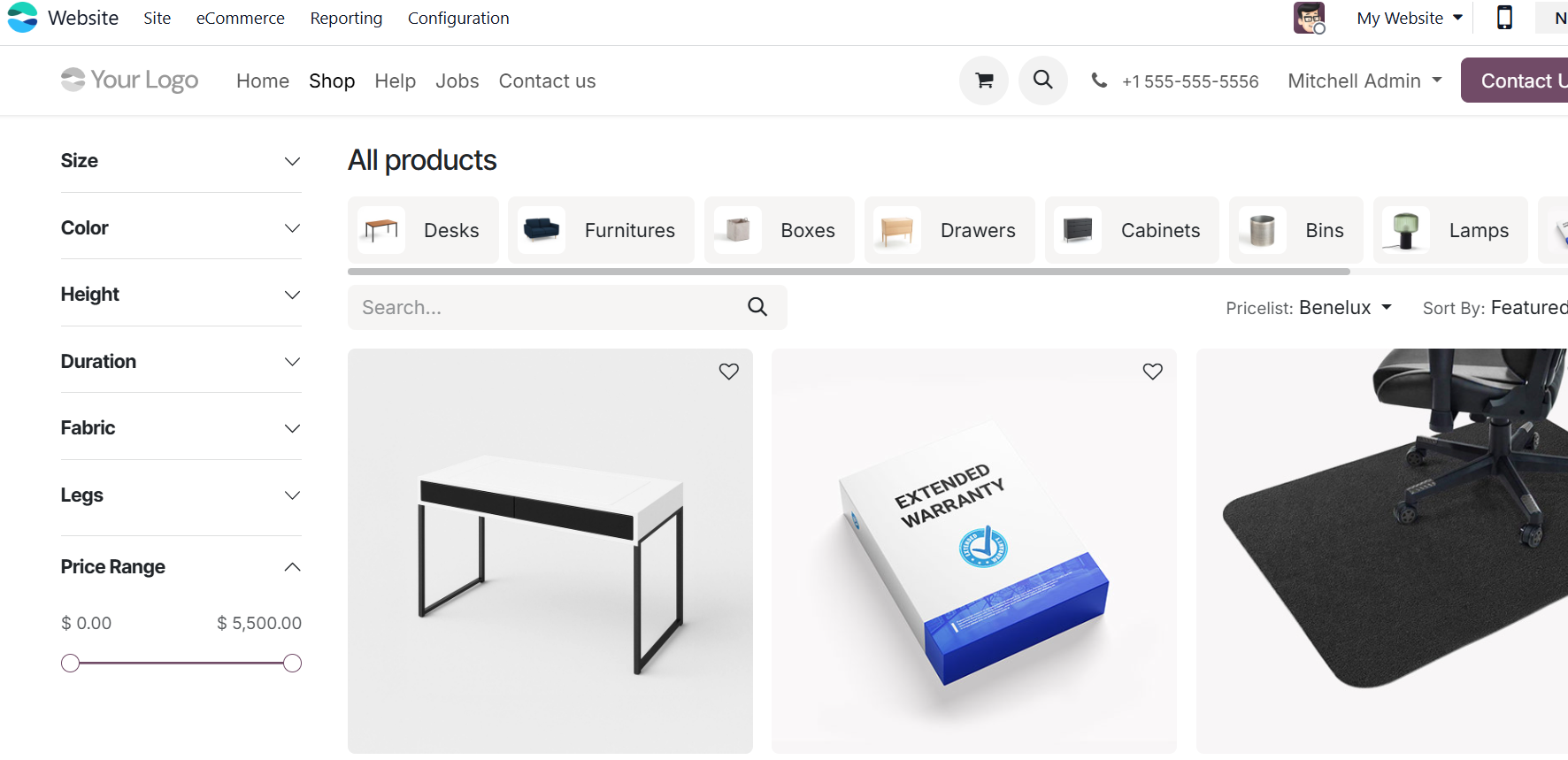
10 Email Marketing — Reach Your Customers Directly
The Email Marketing module is simple but effective. You can create campaigns, design emails with a drag-and-drop editor, segment your contacts, and track open rates and clicks. It is connected to your CRM and customer database, so targeting the right people takes just a few clicks. Perfect for businesses that want to stay in touch with their customers without paying for another tool.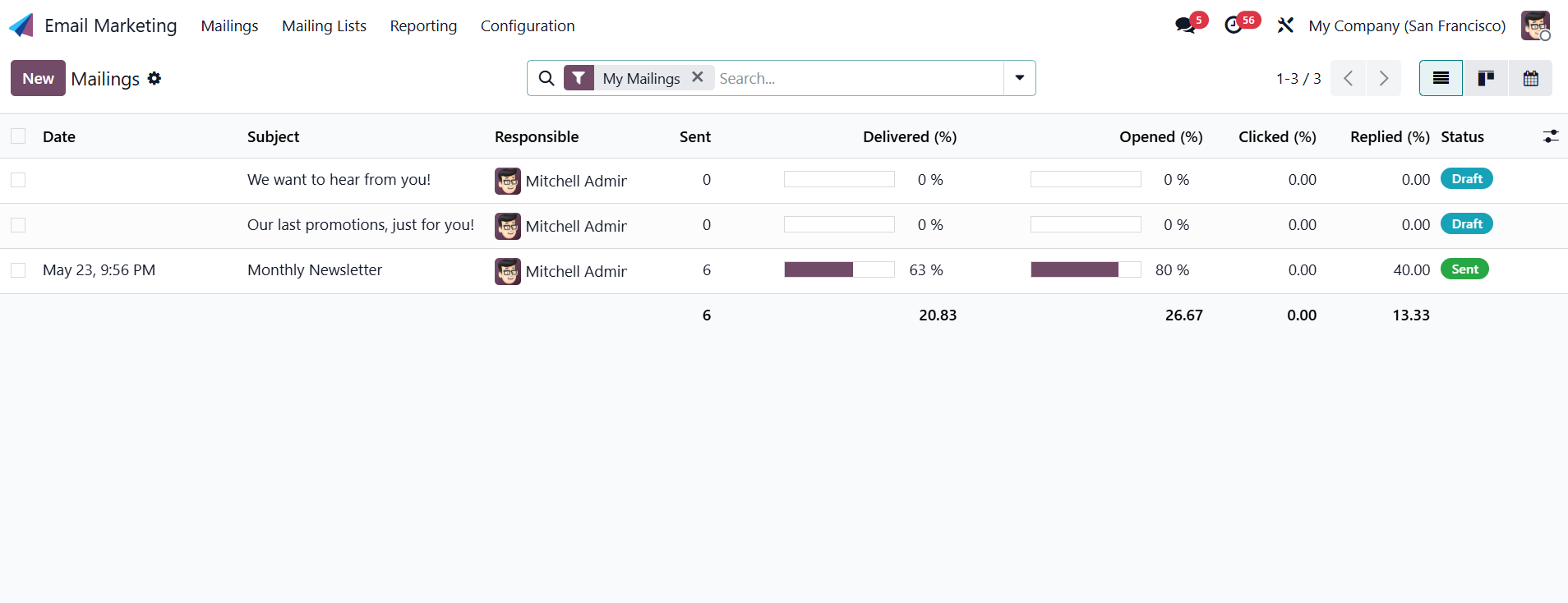
Pro tip: You do not need to install all 10 modules at once. Start with CRM, Sales, and Accounting. Once your team is comfortable, add Inventory and HR. Odoo grows with your business that is what makes it smart.
Odoo ERP is not just software, it is a way to run your business more cleanly. Whether you are managing a small team or scaling fast, these 10 modules give you everything you need to stay on top of things. The best move is to start small, get comfortable, and keep adding modules as you need them. Once you go Odoo, going back to scattered tools feels impossible.